Museums
Below is a selection of museums near Collioure
- Modern Art: Museum of Modern Art in Céret, Museum of Modern Art in Collioure, Dalí Theater-Museum in Figueres, Salvador Dalí House in Portlligat near Cadaqués, Gala Dalí Castle in Púbol, Terrus Museum in Elne, Collections of Saint-Cyprien,
- Fine Arts: Hyacinthe Rigaud Museum in Perpignan
- Prehistory and Archeology : Tautavel Museum of Prehistory, Belesta Castle Museum, Empúries Archaeological Site and Museum
- Contemporary History: Rivesaltes Camp MemoriaCatalan Traditions: Casa Pairal and Le Castillet in Perpignan, Girona Art Museum, Girona Museum of Jewish History, Céret Music Museum
- Natural History: Natural History Museum in Perpignan
For each of these locations, we’ve listed the distance in kilometers and travel time below.
If you’re planning to visit Barcelona, we recommend: the Picasso Museum, the National Art Museum of Catalonia, the Joan Miró Foundation, and the Barcelona Museum of Contemporary Art (MACBA),

The Museum of Modern Art in Céret: A Must-See Art Destination
It’s impossible to talk about the museums of the Pyrénées-Orientales without starting with the Museum of Modern Art in Céret. Located in the heart of Vallespir, this museum is one of the department’s major cultural attractions.
Céret attracted many major 20th-century artists, drawn by the light, landscapes, and atmosphere of this small Catalan town. The museum preserves and displays works linked to this exceptional artistic history, featuring names such as Picasso, Soutine, Chagall, and Matisse.
It’s also a wonderful cultural stop in the hinterland.
Distance : 35 km - 35 mn
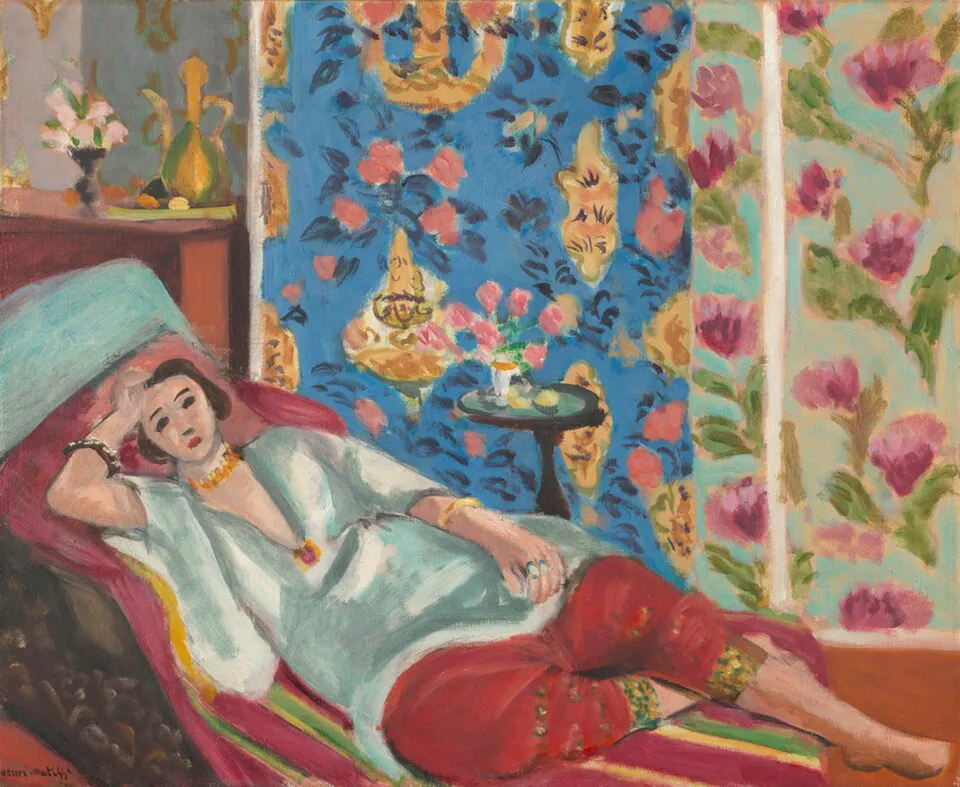
The Museum of Modern Art in Collioure: In the Footsteps of Fauvism
Collioure is one of the most iconic places for modern art in France. In 1905, Henri Matisse and André Derain stayed there and discovered its exceptional light. From this encounter between the sea, the colorful facades, the boats, and the landscapes, one of the great artistic movements of the 20th century was born: Fauvism.
The Collioure Museum of Modern Art carries on this legacy. It is a small museum that showcases modern and contemporary art, as well as the strong connection between the artists and the Côte Vermeille.
Distance : 500 m - 5 mn

The Tautavel Museum of Prehistory: A Journey to the Origins of Humanity
In Tautavel, the Museum of Prehistory offers a true journey through time. It is linked to the famous Caune de l’Arago, a major archaeological site where the remains of the Tautavel Man—dating back some 450,000 years—were discovered.
The museum provides insight into the lives of early humans in Europe: their environment, their tools, their diet, and their way of life. Reconstructions, archaeological artifacts, and educational displays make the visit accessible to everyone.
Distance : 56 km - 50 mn

The Hyacinthe Rigaud Art Museum in Perpignan
Located in the heart of Perpignan, the Hyacinthe Rigaud Art Museum is one of the city’s major cultural institutions. Housed in beautiful mansions, it offers a journey through the history of art in Perpignan, from the 15th to the 20th century.
Visitors can explore collections featuring old master paintings, modern art, and the artistic identity of the Roussillon region. The museum also hosts temporary exhibitions, many of which are of very high quality.
It’s an excellent choice for a day trip to Perpignan, complementing visits to the historic center, the Castillet, Saint-Jean-Baptiste Cathedral, and the Palace of the Kings of Majorca.
Distance: 30 km - 35 min

Casa Pairal and the Castillet: Catalan History in the Heart of Perpignan
The Castillet is one of Perpignan’s landmarks. This former fortified gate houses Casa Pairal, a museum dedicated to the history of the city, the Roussillon region, and Catalan folk traditions.
The tour offers a deeper understanding of the department’s Catalan identity: traditional costumes, everyday objects, traditions, local heritage, and urban history. It concludes with a remarkable view from the top of the Castillet, offering a panoramic vista of Perpignan, the Roussillon plain, and the mountains.
It’s a short tour that’s easy to fit into a stroll through the city center.
Distance: 30 km - 35 min

The Rivesaltes Camp Memorial, an Essential Site of Remembrance
The Rivesaltes Camp Memorial is one of the most powerful sites in the department. Built amid the ruins of the former camp, it commemorates forced displacement, internment, and the tragedies of the 20th century: the Spanish Civil War, World War II, decolonization, exile, and migration.
The visit is understated, powerful, and essential. It helps place the Pyrénées-Orientales within a broader European and Mediterranean historical context. The building’s contemporary architecture, designed to blend into the landscape, further enhances the emotional impact of the site.
Distance : 44 km - 40 mn

The Bélesta Castle Museum: Prehistory in a Medieval Castle
Although less well-known than Tautavel, the Bélesta Castle Museum is well worth a visit. Housed in a medieval castle, it tells the story of the lives of the first farmers and herders of the Neolithic period, some 6,000 years ago.
The museum draws primarily on discoveries made in the Bélesta Cave: pottery, tools, weapons, jewelry, and everyday objects. The contrast between the setting—an ancient castle—and the subject matter—prehistory—gives the visit a special charm.
Distance : 65 km - 1h
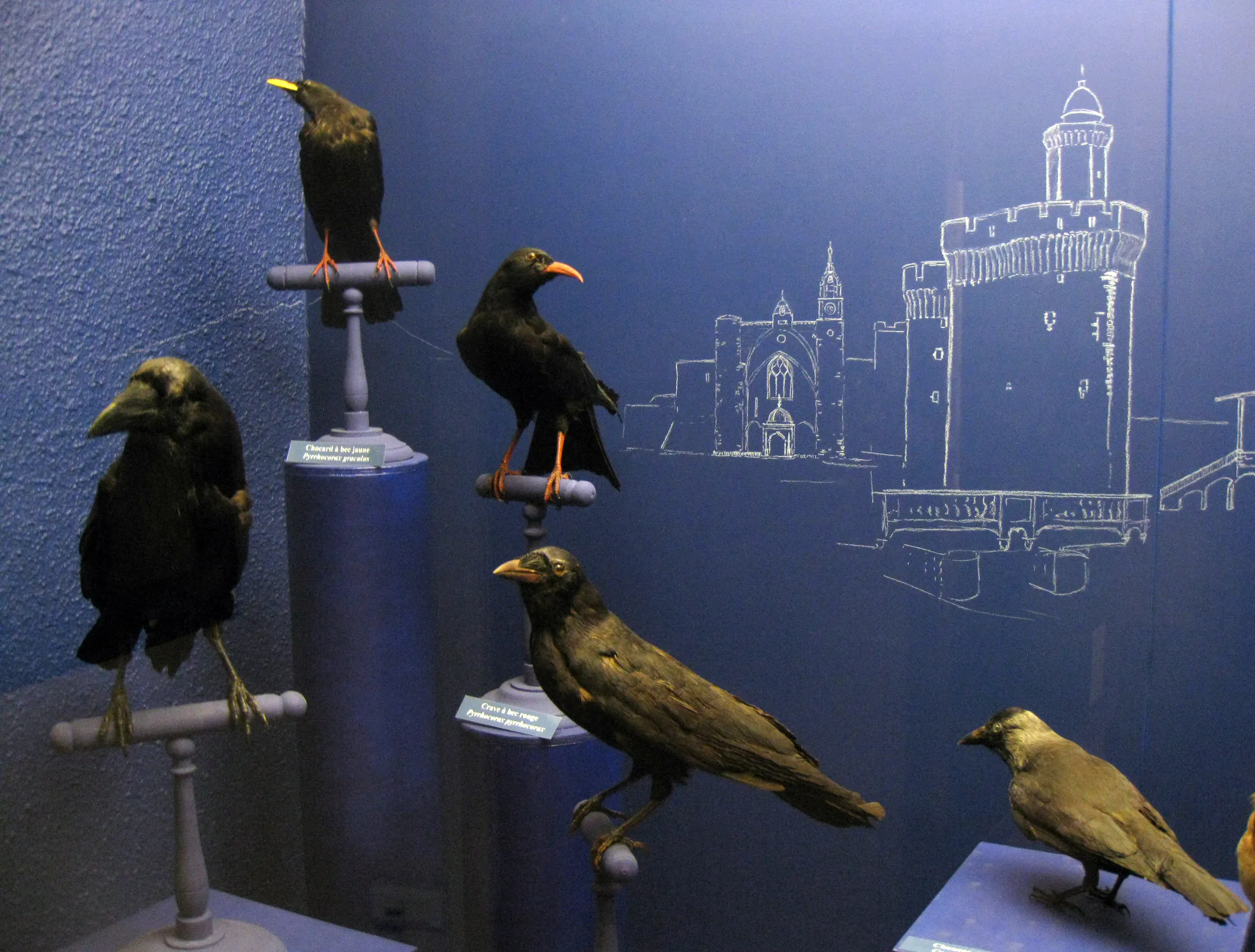
The Perpignan Natural History Museum
The Perpignan Natural History Museum offers a unique perspective on the region. Here, the focus is on biodiversity, geology, wildlife, and the natural habitats of the Pyrénées-Orientales.
Nestled between the sea, the lagoons, the Roussillon plain, and the Pyrenees mountain range, the department boasts exceptional natural diversity. The museum provides an overview of this diversity through accessible collections and a tour tailored to visitors curious about nature.
It’s a great complementary stop before or after a trip to the coastal lagoons, Mount Canigou, Cerdagne, or the Côte Vermeille.
Distance: 30 km - 35 min

The Terrus Museum in Elne
In Elne, the Terrus Museum honors Étienne Terrus, a painter born in the city and a master of watercolor. The museum also features an archaeological section dedicated to the ancient history of Elne, a former episcopal city.
A visit here can easily be incorporated into a tour of Elne, with its cathedral, cloister, and historic alleyways. It’s a wonderful cultural stop along the route between Perpignan, Argelès-sur-Mer, and Saint-Cyprien.
Distance : 16 km - 20 mn


The Céret Music Museum
Céret isn’t just about modern art. The city is also home to the Music Museum, dedicated to musical instruments and musical cultures from around the world. Its collection takes visitors on a journey across continents and through musical traditions.
It’s a unique experience, often enjoyed by families, as it explores culture from a lively, sensory perspective: instruments, sounds, customs, and traditions.
Distance : 35 km - 35 mn

The Saint-Cyprien Collections
The Saint-Cyprien Collections were established through a bequest from the painter François Desnoyer. The venue showcases a significant art collection, featuring works from the 19th and 20th centuries, as well as a program of temporary exhibitions.
Distance : 20 km - 25 mn

The Dalí Theater-Museum in Figueres: A Must-See
Figueres is home to one of Catalonia’s most famous museums: the Dalí Theater-Museum. Designed by Salvador Dalí himself in the former municipal theater of his hometown, the venue is at once a museum, a total work of art, and an immersion into the artist’s surrealist universe.
The tour is spectacular, sometimes bewildering, and always memorable. Paintings, installations, objects, sets, and visual illusions come together to create an experience very different from that of a traditional museum. It’s often the top cultural excursion to recommend from the Pyrénées-Orientales, particularly from Collioure, Perpignan, or Céret.
Distance : 61 km - 50 mn

The Salvador Dalí House in Portlligat, near Cadaqués
In Portlligat, just outside Cadaqués, the Salvador Dalí House offers a glimpse into another side of the artist. This former fisherman’s cottage, gradually transformed by Dalí and Gala, was for many years their home and creative studio.
The tour here is more intimate than the one in Figueres. Visitors can explore the living quarters, the studio, and personal belongings, as well as the exceptional setting of Portlligat Bay. It’s an ideal stop if you want to combine culture, seascapes, and a stroll through Cadaqués.
Reservations are generally required, as visitor numbers are limited.
Distance : 59 km - 1h15

The Gala Dalí Castle in Púbol
The third major Dalí site is located in Púbol, in the hinterland of Girona. The castle was a gift from Salvador Dalí to Gala and is a truly unique place—at once a private residence, a symbolic setting, and a stage for his art.
A visit here perfectly complements those to Figueres and Portlligat. It offers a deeper understanding of the Dalí-Gala couple, the artist’s personal imagination, and his relationship with architecture, objects, and places.
Distance : 100 km - 1h30

The Girona Art Museum
In Girona, the Art Museum plays an important role in exploring Catalan heritage. Located near the cathedral, it offers a comprehensive overview of art history, from the Romanesque period to the contemporary era, with a strong focus on works related to the Girona region.
It’s a fascinating visit for gaining an understanding of the artistic depth of inland Catalonia. It can easily be incorporated into a day trip to Girona, along with the cathedral, the Arab baths, the city walls, and the narrow streets of the old town.
Distance : 100 km - 1h20

The Museum of Jewish History in Girona
Girona is home to one of the most remarkable medieval Jewish quarters in Europe. The Museum of Jewish History offers a deeper understanding of the history of Catalonia’s Jewish communities during the Middle Ages, their intellectual, cultural, and economic roles, as well as the tensions and persecutions that marked this history.
A visit to the museum adds a special depth to a stroll through the Call, Girona’s former Jewish quarter. It is a simple, informative museum that perfectly complements an exploration of the city.
Distance : 100 km - 1h20

The Empúries Archaeological Site and Museum
Located on the Costa Brava, near L’Escala, Empúries is one of Catalonia’s major archaeological sites. Here, visitors can explore the ruins of a city that was first Greek and later Roman, set in an exceptional location overlooking the Mediterranean Sea.
The visit is particularly enjoyable as it combines ancient history, a stroll in the open air, and scenic ocean views. It’s a wonderful stop to gain insight into the Mediterranean’s role in trade, ancient colonies, and the formation of the Catalan region.
Distance : 88 km - 1h20